The challenge
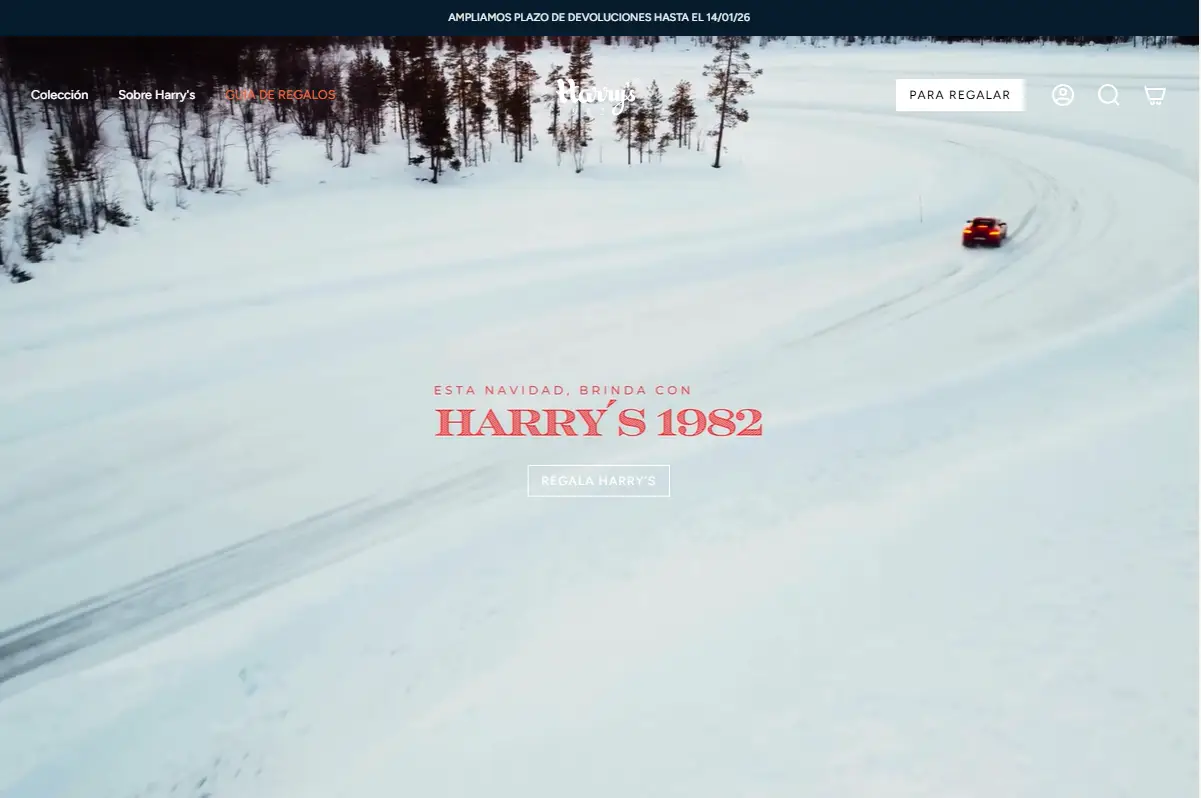
Harry's 1982 is a fashion brand with distinct summer and winter collections. This forces the team to make purchasing decisions on a recurring basis, planning months ahead for demand that can never be predicted with complete certainty.
In addition, each collection includes multiple color and size combinations, multiplying the number of SKUs that need to be analyzed and managed. On top of that, stock needs to stay available for both the ecommerce store and the physical shop, ensuring a consistent experience across both channels.
In practice, purchasing responsibility fell on a single person, who was also actively involved in other operational areas such as logistics and wholesale. Although the information needed to make decisions existed, it was scattered across different sources and required significant manual work to consolidate and analyze.
In a growth context, this combination of operational complexity and lack of time made it difficult to devote enough attention to the most important purchasing decisions, leading to stockouts on products with active demand.
What changed
With Rondo, the team went from working across multiple independent sources of information to having a single, unified view of sales, stock, and outstanding orders.
All of this complemented by the information needed to execute purchases: production lead times, minimum order quantities, and the cost of each product.
This significantly reduced the time spent gathering and analyzing information, making it possible to take purchasing decisions faster and in a more structured way.
Beyond the impact observed on product availability, the team managed to increase its operational capacity without needing to grow the purchasing team.
- Greater capacity to manage a growing volume of purchasing decisions with the same team.
- Better tracking of outstanding orders and production progress.
- Greater visibility into discrepancies between ordered and received quantities.
- Fewer manual tasks associated with updating stock after goods are received.
Results
The first purchasing decisions prepared with Rondo started showing their effect on product availability during April and May 2026.
Comparing these months to the previous situation, Harry's saw a significant reduction in stockouts, without needing to grow the team responsible for purchasing.
-49% stockouts during the first months using Rondo.
The improvement was achieved while keeping the same team responsible for purchasing.
Why it matters
Reducing stockouts is not just about improving an operational metric.
It means more customers find the product they want to buy in stock, and the brand can capture a larger share of existing demand.
But in Harry's case, the lesson goes beyond inventory itself.
As the brand grew, the complexity of every purchasing decision grew with it. More SKUs, more variants, more outstanding orders, and more information to analyze.
The improvement observed suggests it's possible to support that growth without necessarily growing the team, as long as decisions can be made on consolidated, accessible information.
It's not just about buying better. It's about letting the team spend more time deciding and less time gathering information.
Internal analysis based on aggregated daily inventory data.
The stockout rate was calculated considering only active products with recent real demand and combined availability across ecommerce and the physical store.
The results show a temporal correlation between the first purchasing decisions managed with Rondo and the observed evolution of stockouts. They should be interpreted as a signal of operational improvement, not as direct causal attribution.